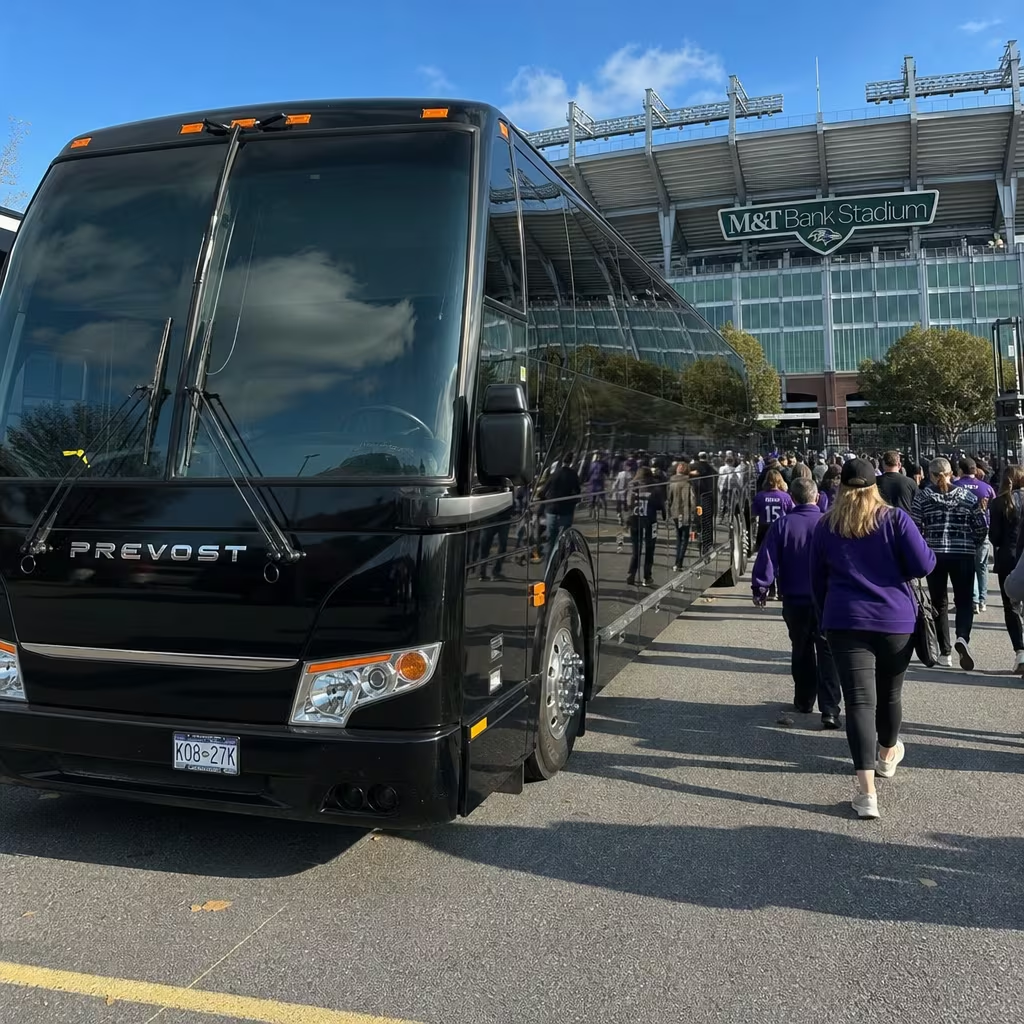
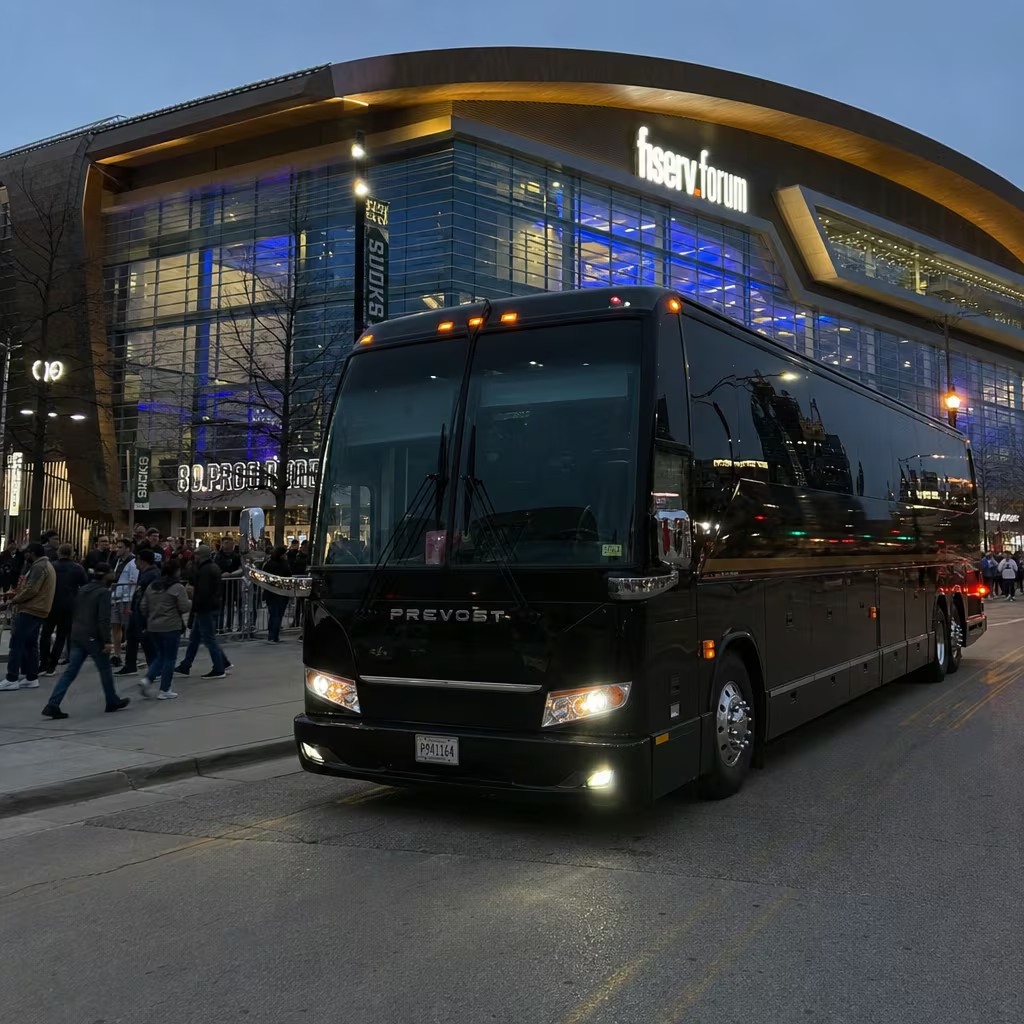
Napa Valley sits roughly 50 miles north of San Francisco — close enough to pull off in a day, far enough that the drive itself becomes part of the plan. For a group, that drive is also the first decision that shapes everything: do you carpool across the Bay Bridge in four separate cars, spend the day rotating designated drivers, and then figure out who is riding home with whom? Or does everyone step onto one vehicle, pop open the first bottle somewhere around Marin, and stay together from SF pickup to the last tasting pour?
This guide is for groups who have already decided on the second option. It covers the two routes north, how long the drive actually takes by time of day and day of week, which wineries are genuinely set up to receive bus groups, how many stops you can fit in a single day, and what to budget beyond the bus itself. Everything here is built around one vehicle, one group, and a day you actually enjoy rather than a day you spend project-managing.
Party Bus San Francisco handles this run constantly — from bachelorette weekends to milestone birthday trips to corporate outings that end with everyone still talking. Call 415-796-8308 any time to get a quote built around your group size, pickup location, and how many wineries you are planning to hit.
The Drive From San Francisco to Napa Valley
Downtown Napa is about 50 miles from San Francisco. On a Tuesday morning with light traffic, that is 55 to 65 minutes on a direct run. On a Friday afternoon or a holiday weekend, the same distance can stretch to two hours or more depending on where you hit slowdowns.
For a day-trip group, departure time matters as much as the route.
There are two ways to get there, and each has its own character:
Route 1: Golden Gate Bridge to Highway 101 North
The scenic option. Your bus crosses the Golden Gate, passes through Sausalito, and continues north through Marin on Highway 101. At Novato, you transition onto Highway 37 east and then pick up Highway 121 into the southern end of Napa Valley.
From downtown SF to the first tasting rooms near the city of Napa, this route runs about 60 to 80 minutes on a good morning. There is no toll crossing northbound on the Golden Gate. The trade-off is Highway 37: on weekend afternoons and during the Friday evening getaway rush, that stretch near Sears Point backs up badly and can add 30 to 45 minutes to your return trip.
Route 2: Bay Bridge to I-80 East, then Highway 29 North
The faster but less scenic route. Cross the Bay Bridge, head north through Fairfield on I-80, and pick up Highway 29 into Napa. In light traffic, this can beat the Golden Gate route by 15 to 20 minutes.
The Bay Bridge carries a toll westbound (on the return). Highway 29 is the main artery through the valley and puts you in the heart of the wine country corridor, with access to Napa, Yountville, Oakville, Rutherford, St. Helena, and Calistoga running north along a single road.
For most morning departures on weekdays, either route works cleanly. For weekend trips, the Golden Gate route tends to run smoother on the way out and Highway 37 can slow the return; the Bay Bridge route can have eastbound congestion in the evening but often flows better through Marin on the weekend.
The point here is simple: for a group of 15 or 20 people in separate cars, a 45-minute traffic delay means 45 minutes of everyone sitting in their own car, texting, re-routing, and arriving at different times. On a party bus, the same delay means 45 more minutes together, wine already opened, music playing, group intact.
How Many Wineries Can You Realistically Visit in a Day?
Two to three wineries is the honest answer for a group that wants to enjoy each stop rather than sprint through it. Most guided tasting experiences in Napa run 60 to 90 minutes from arrival to departure — that includes check-in, the seated pour, any tour component, and the time it takes a group to browse, buy, and get back on the bus. When you add 20 to 30 minutes of travel between stops, food, and a few extra minutes for the group to reassemble, a well-paced two-winery day fills right up to six or seven hours on the ground.
Three wineries is doable with tight spacing and back-to-back reservations — especially if you keep the stops geographically close, which is easy to do along Highway 29 or the Silverado Trail. Four wineries in a single day starts to feel like a schedule more than an outing, and the tastings blur together by stop four.
A common structure that works well for groups:
- Depart SF at 9:00 to 9:30 a.m. (beat the weekend bridge traffic)
- Arrive first winery around 10:30 to 11:00 a.m. for a 90-minute experience
- Lunch stop in Yountville, St. Helena, or Napa — 12:30 to 2:00 p.m.
- Second winery 2:00 to 3:30 p.m.
- Optional third stop for a shorter, walk-up-friendly experience or a downtown Napa tasting room — 3:30 to 5:00 p.m.
- Depart for SF by 5:00 to 5:30 p.m. to clear Highway 37 before the worst of the evening backup
Reservations are required at virtually every winery worth visiting in Napa in 2026, and for groups larger than six, most properties need advance notice of a week or more — often much longer for peak weekends. Book before you confirm anything else.
Wineries That Work Well for Bus Groups
Not every Napa winery is built for a group of 18 arriving by bus. The ones below have dedicated group programs, on-site parking that accommodates large vehicles, or reservation structures specifically designed for parties of 10 or more. Call or email each one well ahead of your date — group spots fill faster than standard tasting reservations, especially in summer and fall.
Castello di Amorosa — Calistoga
Castello di Amorosa (4045 St. Helena Hwy, Calistoga, CA 94515 — call 707.967.6272) is one of the few Napa wineries that actively markets to groups of 15 or more with a dedicated large-group program. The property is a 121,000-square-foot Tuscan-style castle with a working winery inside, which means the guided group tour is genuinely interesting rather than a polite walk past barrels. Group experiences start at $80 per guest for a guided castle tour followed by a custom tasting, and a premium experience with sparkling wine, cave access, and seated paired tastings runs from $125 per guest.
Both are approximately two to two and a half hours. Reservations are required for all guests, and the property has on-site parking. For a group arriving by bus, this stop has real staying power — the grounds and the setting keep people occupied well past the last pour.
Black Stallion Estate Winery — Napa
Black Stallion Estate Winery (4089 Silverado Trail, Napa, CA 94558 — call 707-227-3250) sits on the Silverado Trail in the southern part of the valley, which puts it close to SF and easy to book as a first stop. The property is known specifically for its bus and RV parking — an operational detail that matters when you are coordinating a 30-passenger vehicle. Hours run Thursday through Monday, 10:00 a.m. to 5:00 p.m., with the last reservation at 3:30 p.m.
Reservations are made through Tock.
Beringer Vineyards — St. Helena
Beringer Vineyards (2000 Main St, St. Helena, CA 94574 — call 707-257-5771) is one of the oldest continuously operating wineries in Napa, founded in 1876, and one of the more accessible stops for groups. The Legacy Cave Tour with tasting runs $35 per person and takes guests through the historic wine-aging tunnels. The Veranda Tasting at the Rhine House is $75 per person.
For larger groups with a minimum wine spend, Beringer offers reception-style experiences. This is a stop that works particularly well mid-valley, paired with a lunch nearby in St. Helena, and the grounds photograph well — which your group will care about by the second stop.
V. Sattui Winery — St. Helena
V. Sattui Winery (1111 White Lane, St. Helena, CA 94574 — call 707-963-7774) is open daily from 9:00 a.m. to 6:00 p.m. and is one of the more group-friendly stops on the mid-valley stretch. The winery has an on-site deli and large oak-shaded picnic grounds, which makes it an easy lunch stop — especially for groups who want to eat on the property rather than find a restaurant. The Guided Tour and Tasting runs $75 per person for a 90-minute experience covering the winery's history and a flight of award-winning wines.
Reservations are strongly recommended; the walk-in experience can work for small parties on weekdays but should not be assumed for a group.
Robert Mondavi Winery — Oakville
Robert Mondavi Winery (7801 St. Helena Hwy, Oakville, CA 94562 — call 888-766-6328 ext. 2) has confirmed bus and RV parking on site. For groups larger than six, the winery asks that you contact their reservations team directly at reservations@robertmondaviwinery.com to arrange the visit. Note that as of April 2026, the Mondavi Estate in Oakville has reopened after a significant renovation — call ahead to confirm current experience formats and group availability before booking.
This is one of the iconic stops on Highway 29 and one that groups frequently use as a centerpiece experience.
Castello di Amorosa for a Northern Anchor, Opus One for a Premium Stop
Opus One (7900 St. Helena Hwy, Oakville, CA 94562 — contact assistance@opusonewinery.com or 707-944-9442) is Napa's landmark joint venture between Robert Mondavi and Baron Philippe de Rothschild. For groups, the Opus One Experience in the Partners' Room runs $200 per person for up to eight guests — a 90-minute hosted tasting of two library wines plus the current vintage with a guided winery tour. Larger custom experiences and private tastings can be arranged by request.
Reservations open on the first day of each month for the following two months and fill quickly. For groups that want the single most storied address in Napa on the itinerary, this is it — but the group size cap and price point make it a destination unto itself rather than one of three stops in a day.
A Sample Day-Trip Itinerary: SF to Napa by Party Bus
Here is a concrete version of what a well-structured group day looks like, working with a 9:00 a.m. SF departure, three stops, and a Highway 37 return before the evening backup:
- 8:45 a.m. — Board in San Francisco. Your group is already together; no waiting for stragglers in separate cars.
- 10:15–10:30 a.m. — Arrive at Black Stallion Estate Winery (Silverado Trail, southern Napa) for a 10:30 a.m. reservation. Easy first stop — close to SF, good parking for a large vehicle, relaxed tasting experience.
- 12:00 p.m. — Depart for lunch in Yountville. Yountville is a 15-minute drive north on Highway 29. Restaurants include Bouchon Bistro (6534 Washington St) and a dozen other options within walking distance on Washington Street. Budget about 90 minutes.
- 2:00 p.m. — Second winery: V. Sattui Winery in St. Helena (20 minutes north of Yountville). Two-hour stop including the guided tour and tasting.
- 4:00 p.m. — Optional third stop: a shorter tasting room visit or a stop at downtown Napa before departing. The city of Napa has concentrated tasting rooms near First Street that work well as a no-reservation, walk-in-friendly final hour.
- 5:00–5:30 p.m. — Board and depart for SF. Beat Highway 37 before the Friday peak.
- 7:00 p.m. — Back in San Francisco.
Swap V. Sattui for Beringer if your group wants the historic Rhine House and cave tour experience. Add Castello di Amorosa as a midday anchor if your group wants a longer, more immersive property — build a full two hours there, skip the third stop, and enjoy the drive back at a relaxed pace.
Matching the Bus to Your Group
The right vehicle for a Napa day trip comes down to headcount, how much you want to use the ride as part of the experience, and whether you want a coach for the long stretches or a party bus with the bar already running from the moment you cross the bridge.
- Party buses (15 to 50 passengers) — Built-in bar, color-changing LED lighting, premium sound system, wraparound seating, and an open floor area. For bachelorette weekends, milestone birthdays, or any group where the ride itself is part of the event, this is the obvious fit. The bar is stocked before you leave and the energy is already going by the time you clear the city.
- Minibuses (15 to 35 passengers) — Comfortable reclining seats, powerful A/C, overhead storage for bags and purchases. Better for groups who want a quieter ride up and care primarily about the wineries rather than the bus.
- Charter buses (40 to 56 passengers) — The workhorse for larger groups. Deep undercarriage storage for wine purchases (which add up over three stops), onboard restrooms, WiFi, reclining seats, and climate control. For a corporate outing or a large family group, a charter bus keeps everyone comfortable on the 50-plus-mile run each direction.
- Sprinter van or 14-passenger Sprinter limo — Premium leather seating and USB charging for smaller groups of up to 14. The Sprinter limo is the right pick for an intimate group that wants the feel of a private car service with the convenience of one vehicle.
For wine purchases specifically: the luggage bays on a charter bus are useful by the third stop. Groups routinely come back with a case or two per person, and carrying that across a parking lot and into a ride-share is a real problem. On a charter bus, it goes in the bay at each winery and comes out at your doorstep in SF.
BottleRock Napa Valley: The Annual Exception
Each year around Memorial Day weekend, Napa Valley transforms from a quiet wine destination into one of California's largest music and food festivals. BottleRock Napa Valley runs at the Napa Valley Expo (575 Third St, Napa, CA 94559) over three days in late May — in 2026 the dates are May 22 through 24. The festival draws tens of thousands of attendees from across the Bay Area, and the transportation dynamics shift completely.
During BottleRock weekend, normal winery day-tripping is largely off the table — wineries are booked out months in advance and the roads around Napa are at festival capacity. What a party bus does well on BottleRock weekend is a different kind of trip: a group arrives together from SF, the pre-game happens on the bus, and the pickup-and-return logistics are handled without anyone waiting for surge pricing at midnight. The official rideshare and taxi pickup and drop-off zone is geofenced at Third and Randolph streets, about a half-mile from the Expo's main gates.
BottleRock also runs its own paid shuttle service from several Bay Area departure points including San Francisco, Oakland, and other cities — but for a private group that wants to control its own schedule and start time, a chartered vehicle is a different category of experience entirely.
To book a party bus for BottleRock 2026, call 415-796-8308 well in advance — festival weekends book out months ahead and availability tightens quickly as the date approaches.
What to Budget Beyond the Bus
The bus handles transportation; the winery budget is a separate line item. Here is a realistic picture of what a Napa day costs per person beyond the rental:
- Tasting fees: Budget $40 to $80 per person per winery for standard tasting experiences. Premium experiences with tours, pairings, or private tastings run $100 to $200 per person. Two stops at mid-range wineries: $80 to $160 per person in tasting fees alone.
- Lunch: Yountville and St. Helena both have excellent mid-range restaurants where a group lunch with wine runs $60 to $100 per person. V. Sattui's deli and picnic grounds offer a significantly more affordable option — $20 to $30 per person — without leaving the property.
- Wine purchases: A modest one-bottle-per-stop average for a group adds up. Build this into your expectation, not your surprise column.
One planning note worth knowing: most Napa wineries have cancellation policies that require notice of 48 to 72 hours or more for group reservations. Confirm the policy when you book, and confirm it again when the bus is locked in.
Napa Valley Geography: Highway 29 vs. the Silverado Trail
Napa Valley runs roughly north-south, with the city of Napa at the southern end and Calistoga at the northern tip — about 30 miles apart. Two roads run the length of the valley:
Highway 29 is the main commercial corridor, running through Napa, Yountville, Oakville, Rutherford, St. Helena, and up to Calistoga. Most of the valley's best-known and most-visited wineries sit directly on or just off Highway 29. This is the road most SF-to-Napa buses use for the core winery loop.
The Silverado Trail runs parallel to Highway 29 along the eastern side of the valley. It carries less traffic, has a distinctly quieter feel, and is home to several wineries — including Black Stallion — that work well for groups precisely because they see less foot traffic than the Highway 29 corridor.
For a day trip from SF, the most efficient structure is to cluster stops in one part of the valley rather than driving the full length. Two stops within the southern-to-mid valley range (Napa through St. Helena) keeps transit time between stops under 30 minutes and leaves more of the day for the actual tasting experiences.
Practical Notes: Reservations, Tasting Etiquette, and Group Logistics
A few things that consistently separate a smooth group winery day from a chaotic one:
Book reservations before the bus. Popular Napa wineries fill group slots weeks out, and some require notice of a month or more for parties of 10 or more. Lock your winery reservations first, then book the bus to match the timing.
Confirm group sizes precisely. Napa wineries operate on reservation systems that size experiences to your party count. Arriving with 22 people when the reservation was made for 16 creates real problems on-site.
Confirm headcount with the winery at least 48 hours out.
Dress in layers. Most tasting experiences include at least one portion outdoors, and winery caves and cellars run cold year-round. The valley is warm in summer — often 85 to 95 degrees by early afternoon — but cave tours and early morning arrivals require something on top.
Eat before you taste. A full tasting flight on an empty stomach by 11:00 a.m. is a predictable group energy problem. Pack snacks for the bus ride up, or time the first winery stop after everyone has had a proper breakfast.
Use the spittoon. Not every group member will choose to, but calling it out as a real option during the first tasting means the group can pace the day rather than fading by mid-afternoon. Two to three generous pours per stop adds up across three stops and a four-hour afternoon.
Designate one person as the group contact. When a 20-person group has 20 people all trying to handle their own tasting reservation check-in, it takes twice as long. One person handles the winery arrival and communication; everyone else enjoys the grounds.
Frequently Asked Questions
How long does it take to get from San Francisco to Napa Valley by party bus?
Plan for one to two hours depending on the time of day, day of the week, and which route you take. On a weekday morning via the Golden Gate Bridge to Highway 101, an hour to downtown Napa is realistic. On a Saturday morning or Friday afternoon, add 30 to 45 minutes.
The Bay Bridge route via I-80 can be slightly faster in normal traffic but adds a bridge toll on the return. For a full-day trip, depart SF no later than 9:30 a.m. to maximize time on the ground in wine country.
What size party bus do I need for a Napa wine tour?
The most common booking for Napa day trips is a 20-to-30-passenger party bus for bachelorette parties, birthday groups, or friend groups; a 15-to-25-passenger minibus for smaller corporate or family outings; and a 40-to-56-passenger charter bus for larger groups or corporate events. For groups that want the full bar and LED experience on the ride, any party bus in the 15-to-50-passenger range delivers that. For groups focused on comfortable seating for a longer drive and undercarriage storage for wine purchases, a minibus or charter bus is the better fit.
Do Napa Valley wineries accept group reservations?
Yes, but most require advance notice for groups larger than six to eight guests, and many have dedicated group coordinators who handle parties of 10 or more separately from standard reservations. Wineries like Castello di Amorosa, Black Stallion Estate Winery, and V. Sattui have explicit group programs with pricing and logistics built for arriving parties. For most wineries, contact the group reservations or events department directly — the standard online booking system for individuals is not designed for parties of 15 or 20.
How many wineries should a group visit in a day?
Two to three wineries is the range that allows your group to actually enjoy each stop. Most guided tasting experiences run 60 to 90 minutes on the property, and transitions between stops with a large group take more time than people expect. Three well-spaced wineries with a proper lunch in between fills a nine-hour day cleanly.
Four or more stops starts to turn the day into a schedule, and the tastings blend together by the end.
Is a Napa wine tour good for non-wine drinkers?
Many wineries now offer non-alcoholic alternatives alongside their tasting experiences, and the properties themselves — caves, vineyards, architecture — are worth experiencing independent of the wine. Castello di Amorosa in particular is a genuine castle, and groups consistently note that the tour component is worth the visit on its own. That said, a group where a significant portion of people do not drink wine may find the full three-winery format less engaging than a group of enthusiasts.
A shorter itinerary with one winery stop and a more food-focused afternoon in Yountville or downtown Napa often works better for mixed groups.
What is the best time of year for a Napa wine tour from SF?
Late spring through early fall (April through October) is when Napa is at its liveliest and most scenic. Summer weekends are peak season — weekday trips avoid the crowds and winery competition for reservations. Harvest season in September and October is the most dramatic time to visit the valley, but it is also the most popular and books furthest in advance.
Winter and early spring are quieter, less crowded, and often cooler on the bus side — and many wineries offer more personalized experiences when demand is lower.
Book Your Napa Party Bus from San Francisco
For a day trip to wine country, a party bus solves the two things that derail most group outings: the drive and the drinking. The group stays together from the first pickup in SF to the last drop-off, nobody worries about who is driving home, and the wine purchases ride in the luggage bay instead of getting wedged into a sedan trunk.
Party Bus San Francisco runs this route regularly, in every configuration from a 15-passenger Sprinter limo for an intimate bachelorette crew to a 50-passenger party bus for a corporate outing, to a full charter bus for a large group hitting every stop on the Highway 29 corridor. Call 415-796-8308 to get a quote for your date, your group size, and your winery list — and we will help you figure out the timing and the vehicle before you commit to anything.